December 2024
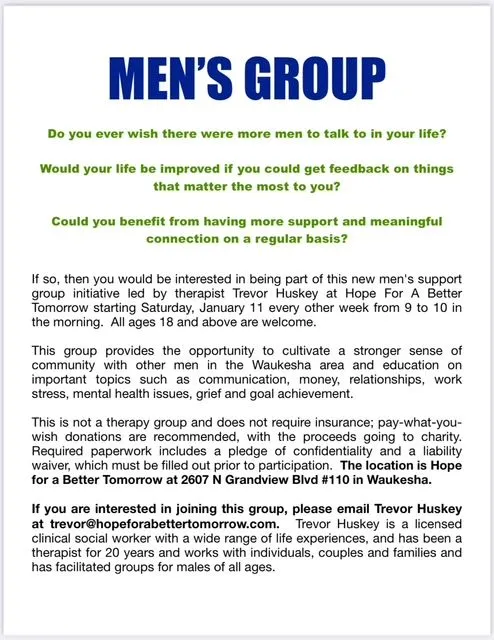
Coming January 2025! A new Group led by Trevor Huskey, LCSW
May 2024
The Role of Sports Psychology and Mental Performance Coaching in Athlete Wellness
By: Arianna Katrichis, LPC
In the realm of athletics, where physical power and skill often takes center stage, the significance of mental health and wellness can sometimes be overlooked. However, the truth is that the mind plays a pivotal role in an athlete's performance, and this is where sports psychology and mental performance coaching come into play.
Understanding Sports Psychology and Mental Performance Coaching:
Sports psychology is a specialized field that focuses on the mental and emotional aspects of athletic performance. It delves into areas such as motivation, confidence, concentration, stress management, and goal-setting, among others. Mental performance coaching, on the other hand, involves working one-on-one with athletes to optimize their mental skills and abilities, thereby enhancing their overall performance.
The Importance of Mental Health and Wellness in Athletes:
Athletes face a myriad of challenges, both on and off the field. From the pressure to perform to dealing with injuries and setbacks, the demands can take a toll on their mental well-being. Neglecting mental health can not only hinder performance but also lead to issues such as burnout, anxiety, and depression.
By prioritizing mental health and wellness, athletes can cultivate resilience, cope effectively with stress, and maintain a positive mindset even in the face of adversity. This not only enhances their performance but also contributes to their overall well-being and longevity in their chosen sport.
The Role of Sports Psychology and Mental Performance Coaching:
Sports psychologists and mental performance coaches serve as invaluable resources for athletes, providing them with the tools and strategies needed to optimize their mental game. Through techniques such as visualization, mindfulness, and cognitive restructuring, athletes learn to harness the power of their minds to achieve peak performance. Also, professionals can help athletes develop crucial life skills that extend beyond the realm of sports. From building self-confidence to improving communication and teamwork, the benefits of mental performance coaching transcend the playing field.
In today's highly competitive sporting landscape, the importance of mental health and wellness cannot be overstated. Sports psychology and mental performance coaching play a vital role in supporting athletes in their quest for excellence, helping them unlock their full potential both on and off the field.
By investing in their mental well-being, athletes not only enhance their performance but also lay the foundation for long-term success and fulfillment in their athletic endeavors. As we continue to recognize the integral connection between mind and body, the role of sports psychology and mental performance coaching will only continue to grow in importance, empowering athletes to thrive in all aspects of their lives.
April 2024
March 2024
February 2024
Radical Self-Love
(Information in this article has been adapted from "The Body is Not An Apology" by Sonya Renee Taylor)
By: Anna Kraft, MS, LPC, SAC-IT, NCC
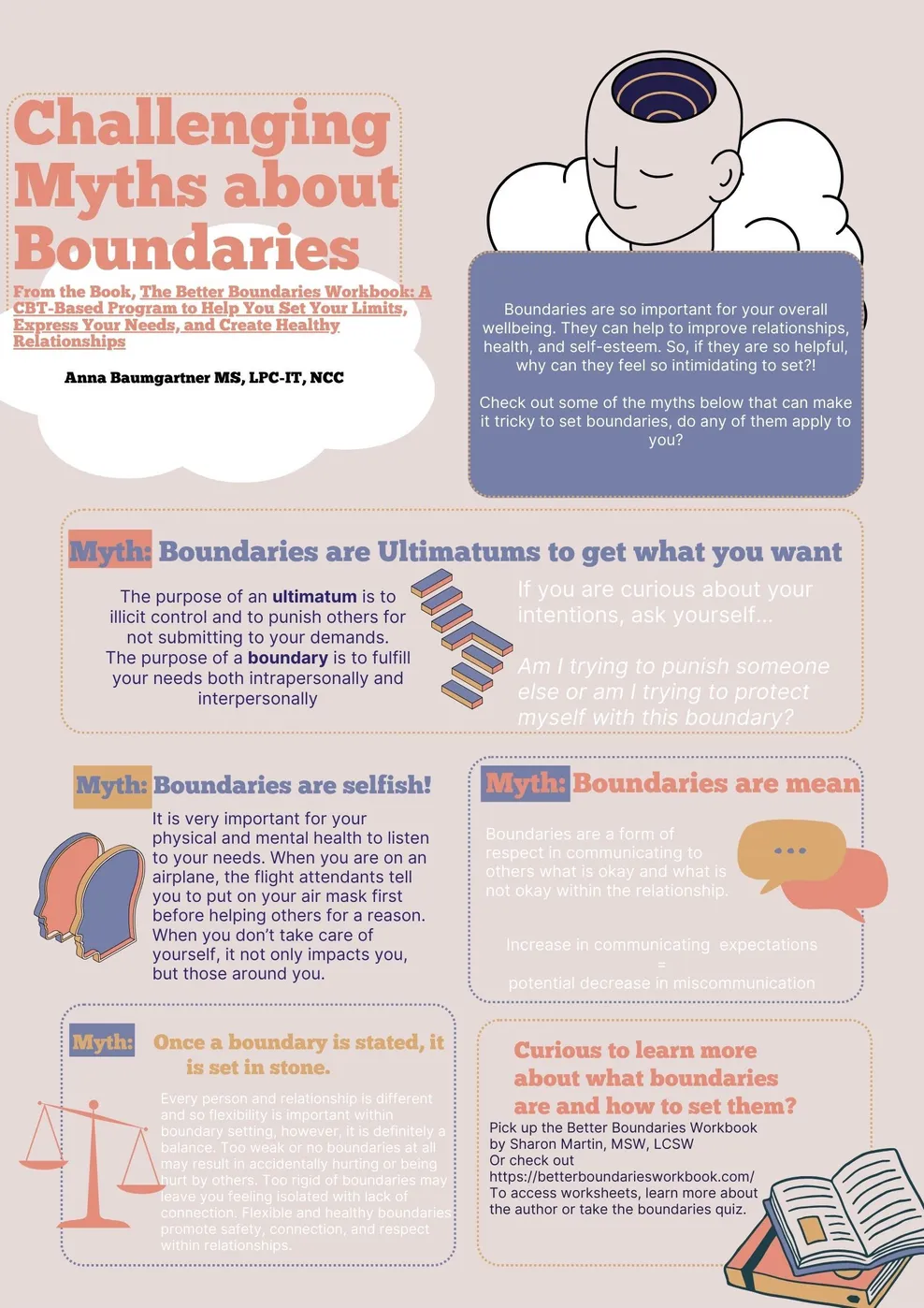
Everyday, we are bombarded with messages telling us how to change our bodies into something else. Ads for powders that will reduce bloating. Supplements that will support weight loss. The perfect razor to get rid of body hair. A new workout that will transform the body. In all these ads, the underlying message is the same: your body should change. All people are potential targets for this message and this message is hurtful.
Radical self-love encourages each person to love their body as it is. You read that right: love your body as it is. Radical self-love is the best foundation for self-esteem, self-worth, and self-confidence. So how do we achieve radical self-love? As you may have already guessed, this change doesn't happen overnight. Here are some strategies you can use to start moving towards radical self-love:
-Detoxify your media consumption: As mentioned above, we receive many body-shaming messages throughout our day because most of us regularly consume media, including the radio, television, movies, Instagram, Snapchat, and TikTok. Take some time to thoughtfully consider the media you are consuming, the creators or public figures you are following, or the station you choose. Consider if these individuals or agencies promote messages, products, or ads that support radical self-love or body shaming. Decide if you want to continue to subscribe to these individuals or if you want to remove these influences.
-Find like-minded creators and content: Removing body-shaming influences is a great start and the next step is to include radical self-love influences. For some individuals, positive influences will look like following content creators, channels, stations, or artists who support radical self-love. For others, you may decide to find local community resources that align with your values and don't promote body shame, such as holistic healers, support groups, or hobby-focused groups.
-Explore the roots of your internal body-shame messages: We are not born with critical thoughts of our bodies. Children are in awe of their incredible bodies until they receive an external message that says that their body is "different," "abnormal," or "wrong." Spend time considering the roots of your body-shame. Was it a comment from a classmate? An ad on the radio? Maybe a song? As we explore the roots of these hurtful messages, we can begin to disentangle the outside influences from our narratives.
-Seek support from others on the same journey: We have all been subjected to body-shaming messages and it can be difficult to move towards radical self-love alone. The journey to radical self-love may feel easier and more clear if you connect with others who are also working towards radical self-love, such as friends, family, and healers. Healers, including therapists, may be helpful in deconstructing your internalized body shame, improving the relationship with the body, and enhancing your existing resources.
January 2024
Relationship Tools
By: Dr. Sheila Gissibl
After many years as a practicing psychologist, it has become apparent that the greatest source of both pain and joy for us derives from our relationships. Given this truth, it is a wonder why such little time and effort is put into teaching us effective, healthy communication strategies. I have found the right tools and techniques can make a huge difference towards reducing conflict and strain, enhancing intimacy and connection, and improving overall satisfaction in our relationships. The resulting interpersonal improvements impact our daily emotional wellbeing and mental health. Because of this, I have sought to learn and teach communication skills to my clients. This growth in knowledge and practice has proven quite beneficial. That’s why I was intrigued and excited when I came across RelateWell, an approach presented by Dr. Rick Marks, designed to assist in the development of skills that will increase loving, caring communication and help people become more mature in their relationships. The program consists of nine sessions that include a video, workbook and weekly practice homework. The foundational elements are to increase maturity in communication by understanding our own needs, as well as our partners, learn concrete tools, follow communication scripts, collaborate and practice forgiveness. Dr. Marks encourages “the four protective walls”- goodwill, respect, empathy, and humility to preserve and enhance the “us” of a relationship, as well as promote individual healing and maturity. I have personally completed RelateWell twice and find the program invaluable. Please let us know if you would like more information about how to get started, [email protected].
Source: https://www.relatewell.us/